
Capital Advisory
The challenge
The lithium processing industry, while globally significant and contributing $14.4 billion to the state’s economy, was facing critical headwinds. Operating at just 21% capacity due to low global pricing, the industry was at risk of losing its competitive edge. With lithium processors managing costly waste streams of De-lithiated Beta Spodumene (DBS) at up to $300 per tonne, and the construction industry simultaneously facing pressure to reduce emissions and material costs, government needed an innovative solution to strengthen both sectors while advancing the state’s circular economy objectives.
Our solution
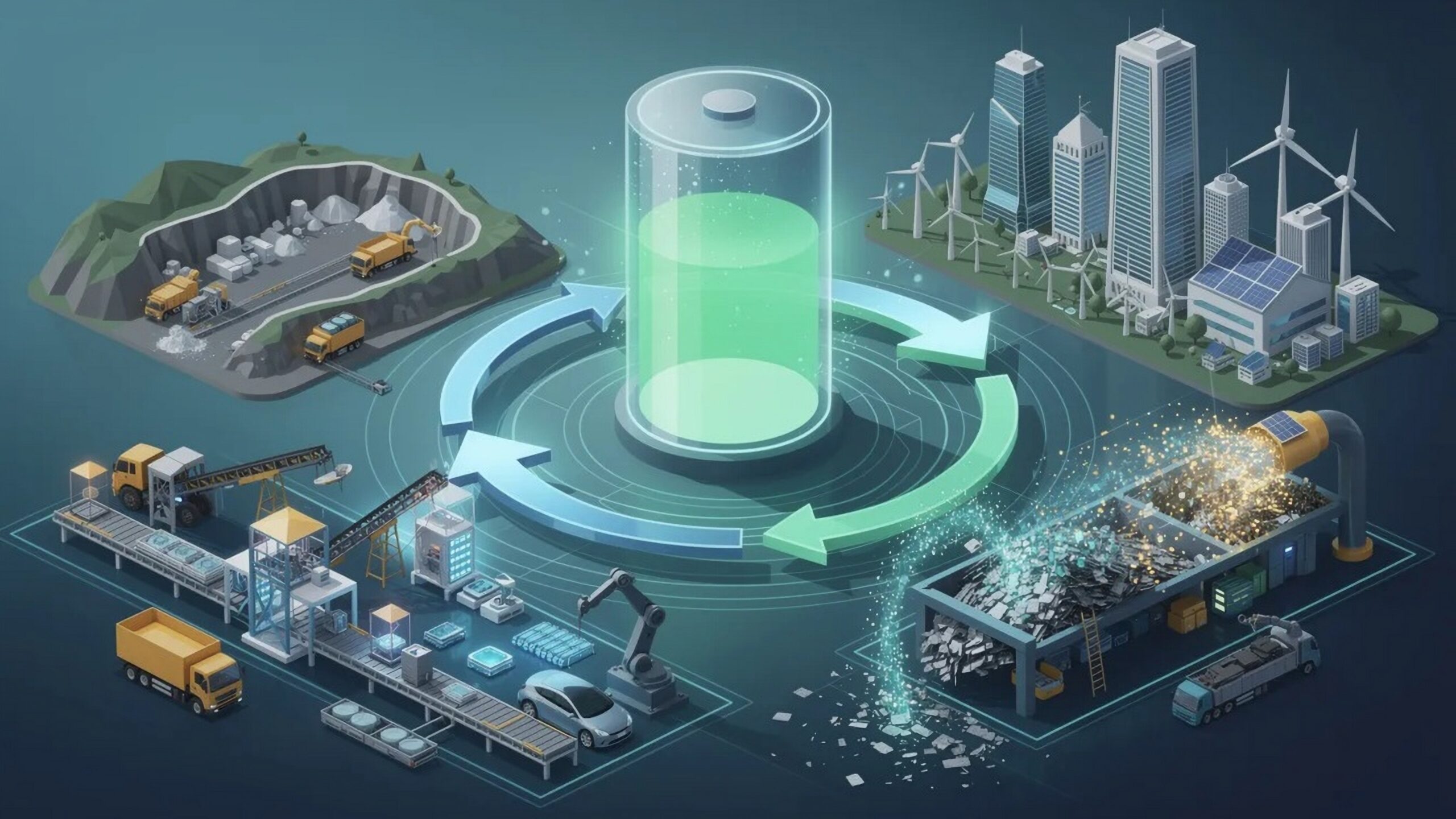
Rennie Advisory conducted a comprehensive analysis to evaluate DBS as a circular economy opportunity that could transform waste into value. Our approach involved extensive stakeholder engagement across lithium processors, construction companies, and government agencies to understand the technical and commercial feasibility of DBS applications. We developed detailed volume forecasts through to FY2042, modelled demand scenarios for cement and aggregate replacement, and quantified the economic and environmental benefits across multiple use cases. Our analysis provided the evidence base for policy recommendations to enable DBS commercialisation and strengthen the state’s position as a global lithium supplier.
Our impact
Our analysis demonstrated that implementing a DBS circular economy could deliver $4.61 billion in present value benefits to the state over the forecast period. This includes $3.29 billion in cost savings for lithium processors by eliminating waste management expenses, $521.5 million in potential new revenue streams, and $387.67 million in construction industry savings. Beyond the financial benefits, we identified that DBS use could reduce carbon emissions significantly by FY2042, supporting the state’s net-zero ambitions. Our roadmap provided government with clear pathways to catalyse this opportunity through targeted policy interventions and industry collaboration.
Key insights
- Turning waste into wealth: DBS, currently a costly waste product, can replace components of cement and certain types of aggregates in construction, creating a valuable circular economy solution that addresses challenges in both the lithium and construction sectors
- Massive emissions reduction potential: with DBS being 95% less emissions-intensive than cement, widespread adoption could save up to 364 kt CO₂-e annually, significantly contributing to the state’s decarbonisation goals
- Supply exceeds demand: the state will produce between 1.2 and 2.3 megatonnes of DBS by FY2042, far exceeding public sector infrastructure demand and creating opportunities for broader market applications and export
- First-mover advantage critical: early government intervention through standards development and procurement policies is essential to establish the state as a global leader in lithium circular economy before competitors capitalise on the opportunity
- Strategic alignment delivers multiple wins: the DBS opportunity uniquely addresses economic diversification, emissions reduction, waste minimisation, supply chain resilience, and regional development objectives simultaneously